
How long a Romanian company has to keep its invoices, and in what form
· 4-minute read · Romanian compliance · by Direct Softworks
Five years for invoices and registers, ten for the annual accounts, counted from a date most people get wrong. And the copy in SPV is not your archive.
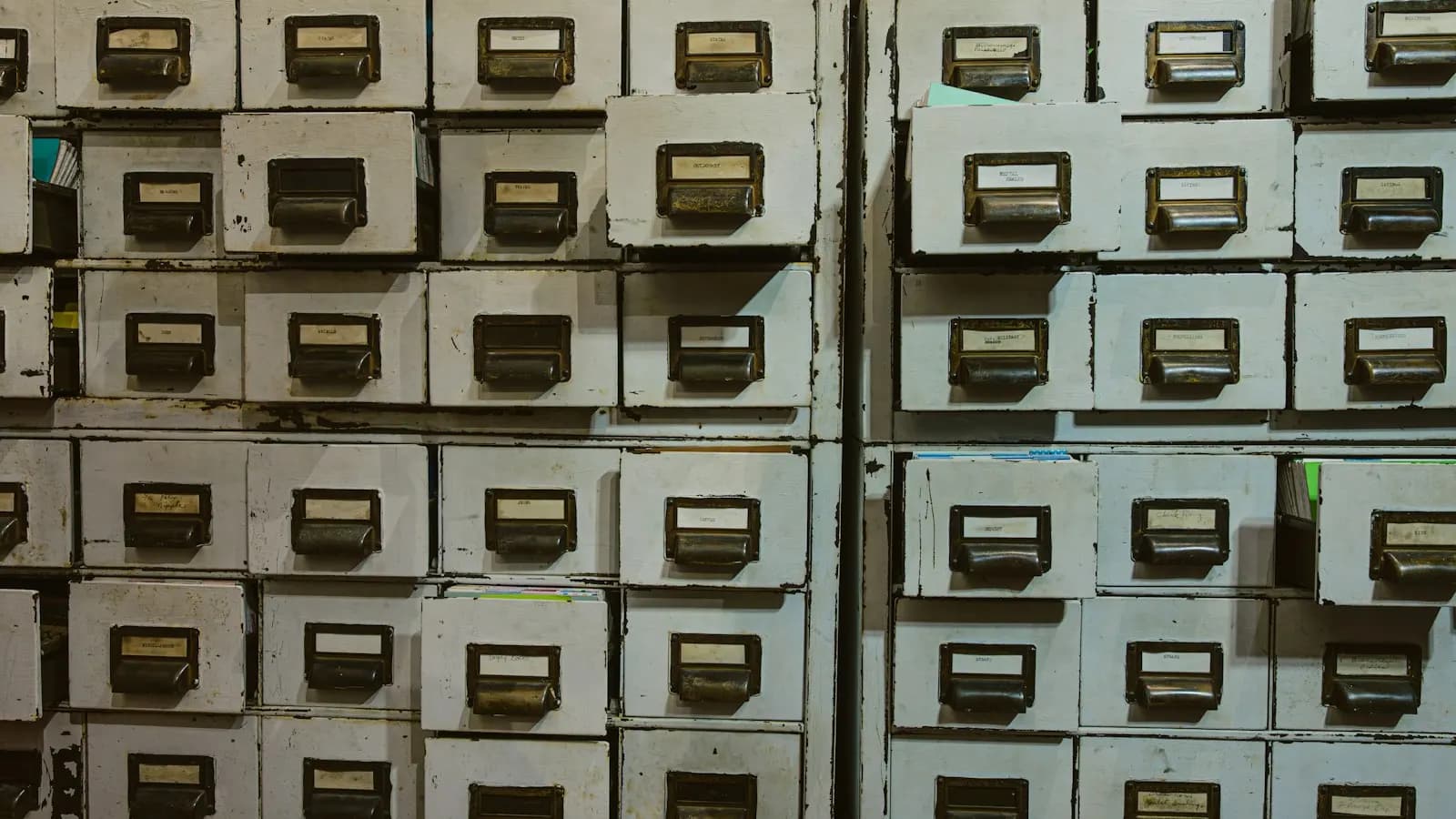
Ask around and the answer you will usually get is ten years. It was the rule for a long time, and it is still written into plenty of internal policies, filing cabinets and software settings. For invoices it has not been the rule since January 2023.
The other answer you will hear, more recently, is that retention no longer matters because everything is in SPV. That one is wrong in a more expensive way.
The periods, as the law states them now
Law 82/1991 (the accounting law), art. 25, as amended by Law 36/2023: the mandatory accounting registers and the supporting documents behind accounting entries are kept for five years, counted from 1 July of the year following the end of the financial year in which they were drawn up. Payroll records are included. Supporting documents means invoices, issued and received, along with everything else that justifies an entry.
Art. 23 sets the same five years, from the same starting point, for accounting data kept on electronic media, and obliges the company to give the tax authorities access to it.
Annual financial statements are separate: art. 35 alin. (3) keeps them, with consolidated and interim statements, for ten years.
The starting date is where the arithmetic goes wrong. Five years does not run from the invoice date. Say your financial year is the calendar year and an invoice is dated 3 March 2025. The year closes on 31 December 2025, the count starts on 1 July 2026, and the period runs to 1 July 2031. An invoice dated 30 December 2025 ends on exactly the same day. A system that disposes of documents five years after their own date disposes of all of them early.
Two cautions. These are the accounting periods; tax audits have their own rules in the Fiscal Procedure Code, and other laws can ask for longer for particular documents. And this article of the law has already changed once in recent years. Check the current text on legislatie.just.ro and agree the policy with your accountant rather than with a blog, including this one.
What the Fiscal Code says about form
Art. 319 of the Fiscal Code (Law 227/2015) governs how invoices are stored, separately from how long.
Paper or electronic, your choice. Alin. (35): invoices may be stored on paper or electronically, whatever form they were sent in, and electronic storage does not require applying Law 135/2007 on electronic archiving.
Integrity to the end. Alin. (25): the authenticity of origin, the integrity of the content and the legibility of an invoice must be guaranteed from the moment it is issued to the end of its storage period. A PDF regenerated next year from current data is not the invoice you issued if anything it draws on has changed since.
Copies of both directions. Alin. (31): you store copies of the invoices you issued and all the invoices you received. Alin. (33): a company established in Romania stores them in Romania, except electronic invoices to which it guarantees the tax authorities online access.
What SPV does and does not keep
For invoices that go through RO e-Factura, ANAF's published description of the procedure says the original is the XML file carrying the Ministry of Finance's electronic signature, delivered as a zip archive. That file is what you archive. The PDF visualisation is a convenience.
The same description says the XML files and error messages are available for download for 60 days from publication, after which they are archived electronically and released on request. Sixty days is a download window, not a retention period. Released on request is not a process you want to start in the middle of an audit, four years later, for a few hundred documents.
So someone has to download every message, issued and received, inside that window, and keep the bytes exactly as they arrived. In our own setup the accountant transmits e-Factura through their own software, which makes the question concrete, and it is the right question in any company where that is true: whose system downloads the signed XML, where does it live, and what happens to it if you change accountants?
A backup is not an archive
The other place retention quietly fails is the assumption that backups cover it. Our own nightly database copies are kept for weeks, deliberately. A backup exists to bring back yesterday. An archive exists to produce one specific document, years later, unchanged and legible. Keeping years of full database copies to serve as an archive multiplies every piece of personal data in them and still does not answer the question.
What that means for a business system:
Store what was issued, not what can be recomputed. Our invoices keep the exchange rate and the totals they were issued with, so a document rendered in five years shows the numbers the client received, even if the rate source has moved or gone. Keep the original file next to the row as well.
Record the end date on the document. Compute it from the financial year, not the issue date, and store it, so disposal is a query rather than an argument.
Make disposal a decision. Nothing should delete fiscal documents automatically on the day the period ends without a person confirming it. A document kept a month too long costs very little. A document missing under audit costs a great deal.
The wider point
Retention looks like a records-management detail until the records are rows. The law sets a period and a form; the software, through its defaults, decides whether either is actually met. Store the original bytes for the same reason the inbound half of e-Factura does: a reprocessed copy is not evidence.
And treat it the way you would retention in an audit log: decide the period, write it down, and implement it as a job rather than an intention.